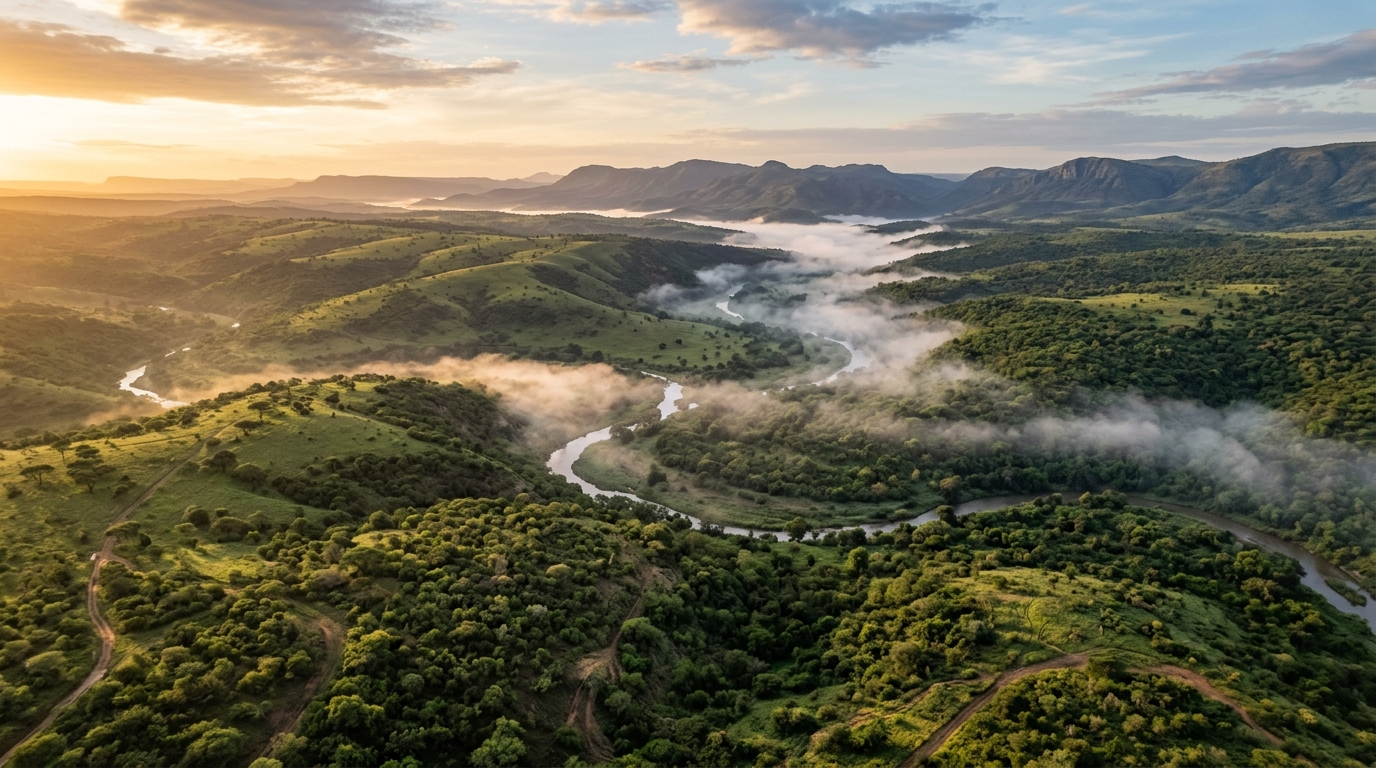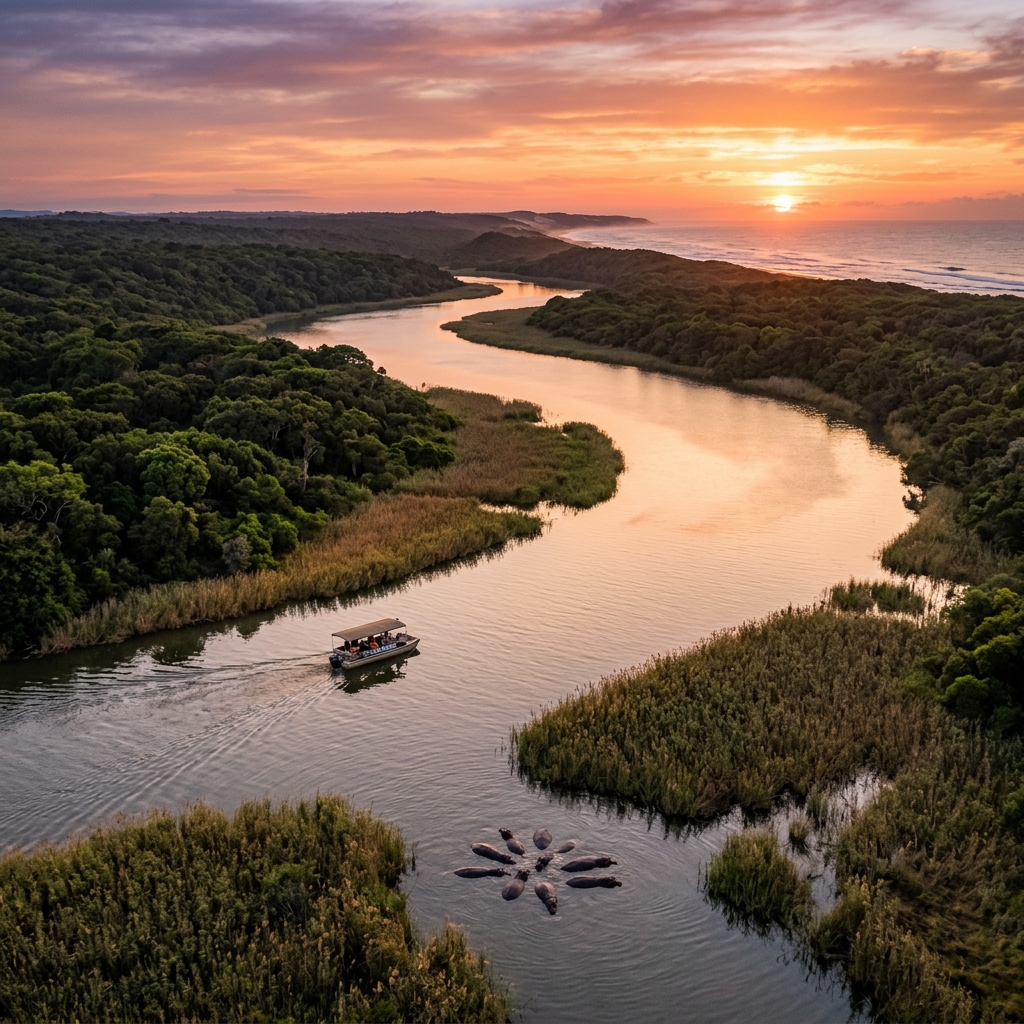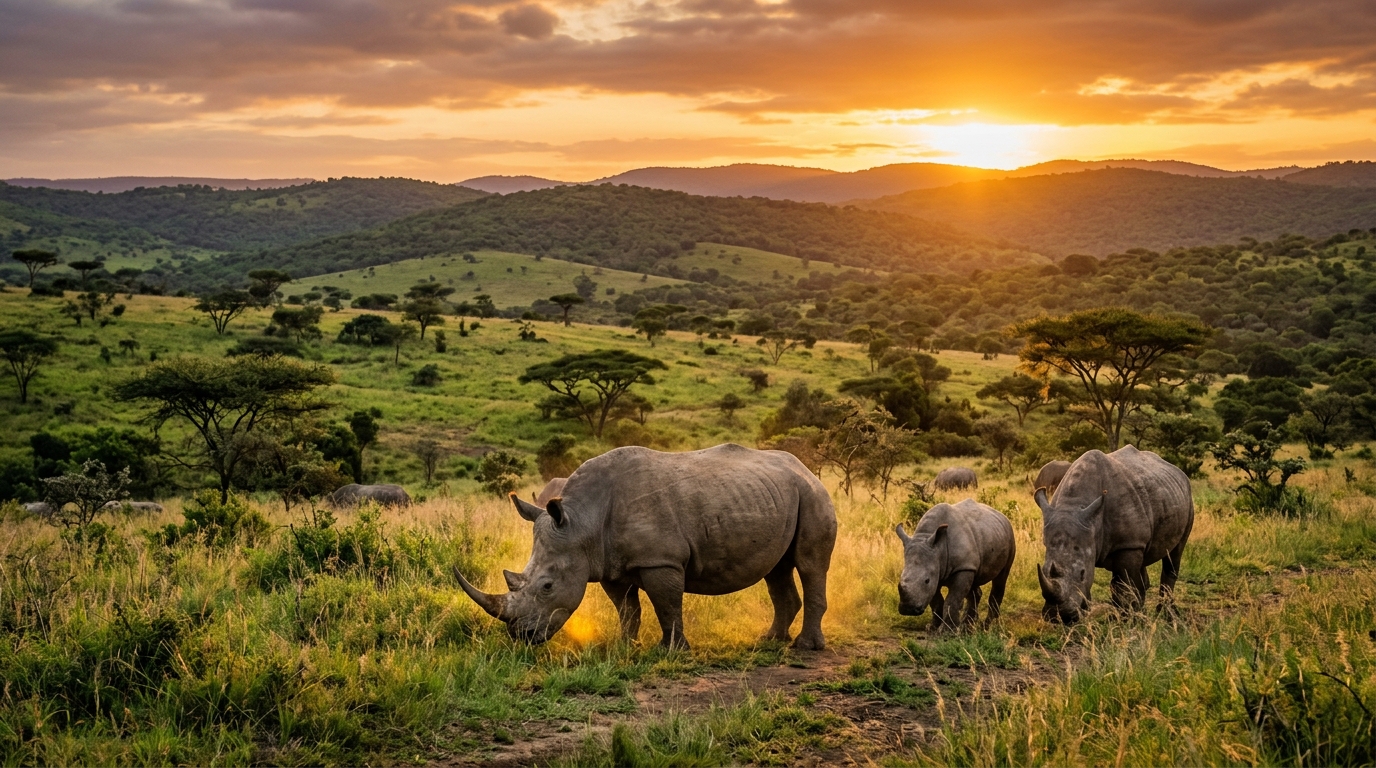
The Hluhluwe-Imfolozi Conservancy coordinates, funds, and champions the specialized field operations defending Africa's oldest game reserve across 96,000 hectares of rugged Zululand wilderness.
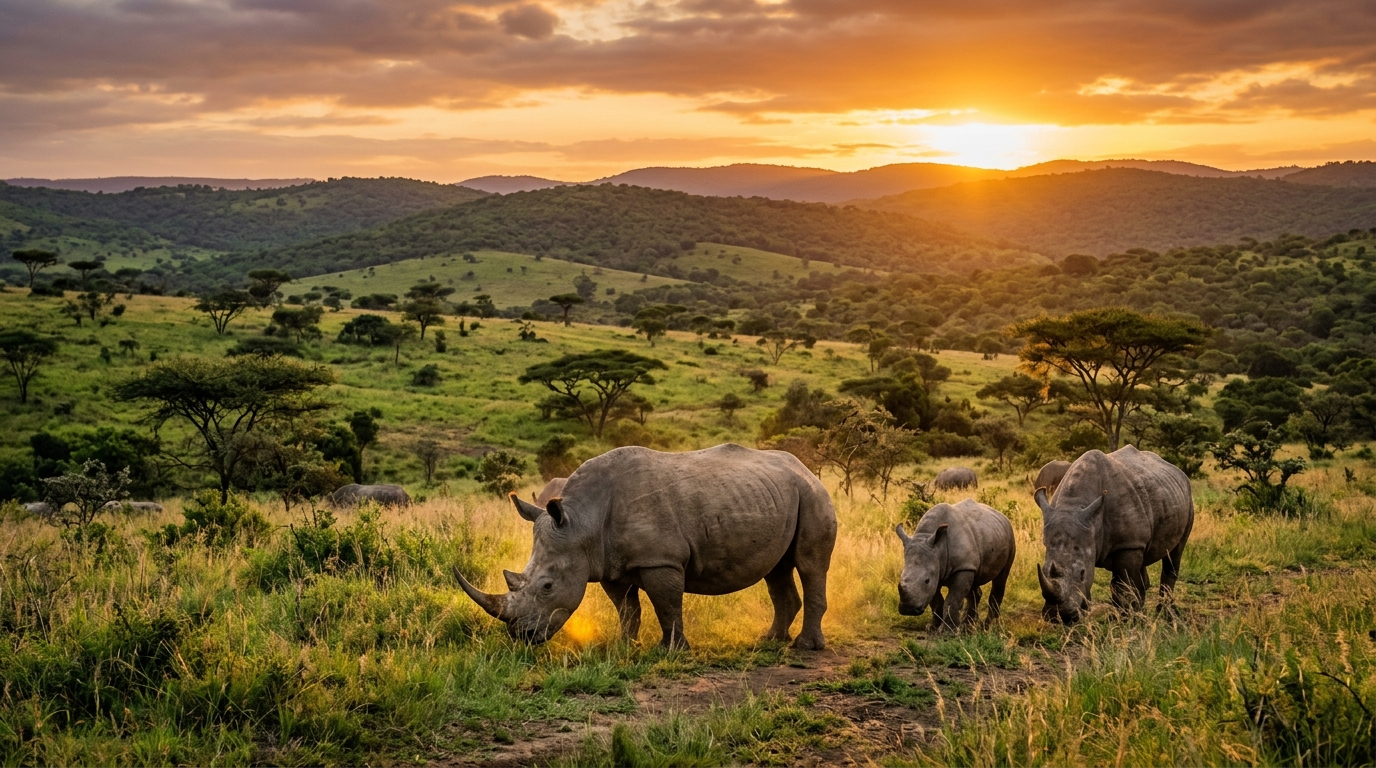
Hluhluwe-iMfolozi is one of the world's most fiercely protected landscapes. Our role is not to duplicate existing operations, but to coordinate, support, fund, and give global voice to frontline conservationists.
We provide a centralized platform to showcase every active conservation and research initiative in the ecosystem to international travelers, donors, and academic partners.
We facilitate active cross-sector partnerships between Ezemvelo KZN Wildlife, specialist NGOs, traditional authorities, and lodge concessionaires to break down silos.
We channel sustainable tourism revenues and impact philanthropic capital directly into high-urgency field equipment, veterinary care, and ranger support.
Hover over active operational nodes across the Northern Scarp, Central Confluence, Southern Wilderness, and Community Border Chiefdoms.
Explore the specialized initiatives defending species, restoring riverbeds, and partnering with rural chiefdoms across Hluhluwe-iMfolozi.
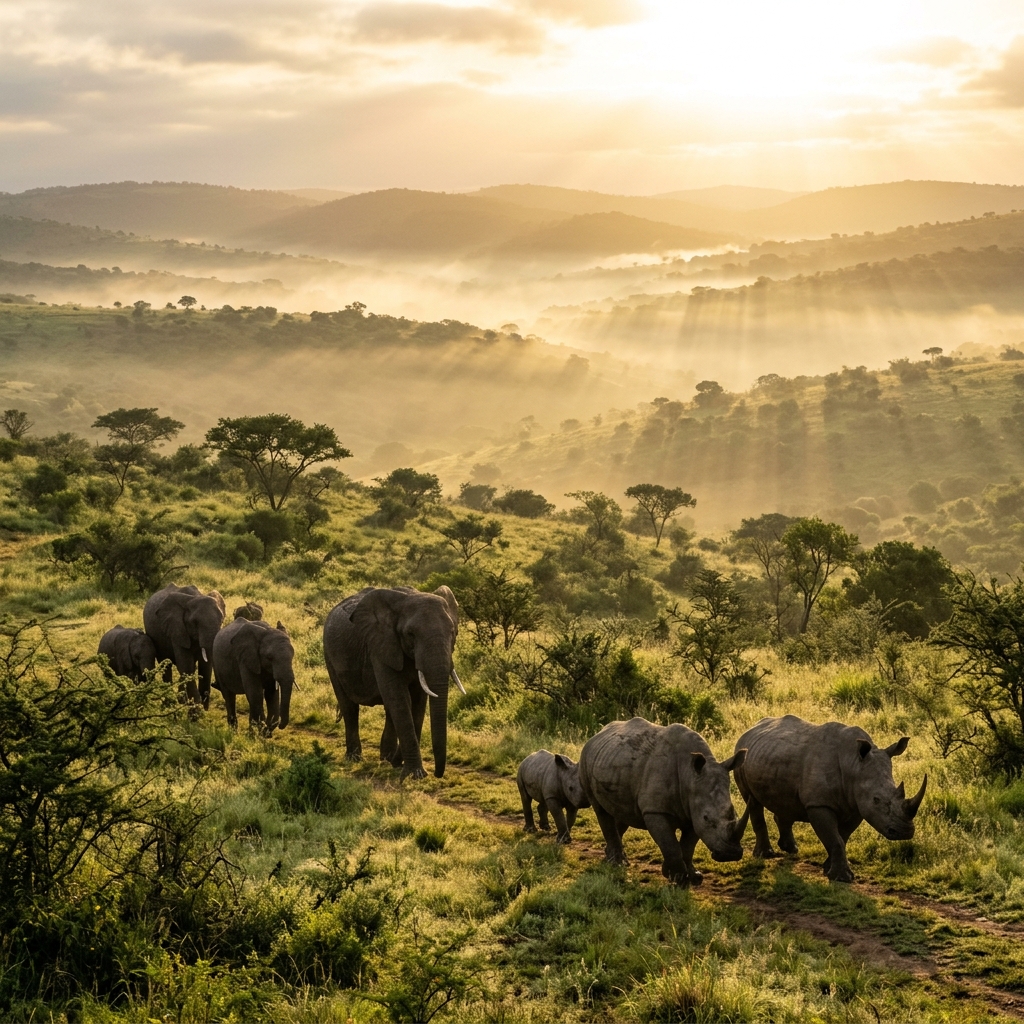
A comprehensive, landscape-wide preventative dehorning and satellite foot-collar tracking initiative. By removing horns painlessly under veterinary sedation, poacher economic incentives drop by over 90%, allowing rangers to secure the genetic breeding core of both white and black rhinos.
Dedicated field monitoring teams track endangered African wild dogs (painted wolves), cheetahs, and lions 365 days a year using VHF/satellite collars. Teams map home ranges, detect snaring within hours, treat wire wounds on-site, and manage rabies vaccination protocols.
Deployment of highly specialized bloodhounds and Belgian Malinois tracker dogs capable of tracking cold poacher spoor through dense, thorny scarp thickets at night. Helicopter deployment allows K9 units to intercept incursions within minutes of acoustic gunfire alerts.
When poachers lace carcasses with lethal agro-chemicals to prevent vultures from alerting rangers, hundreds of endangered birds can perish in hours. EWT operates decontamination units, supplementary vulture restaurants, and satellite tracking for critically endangered white-backed vultures.
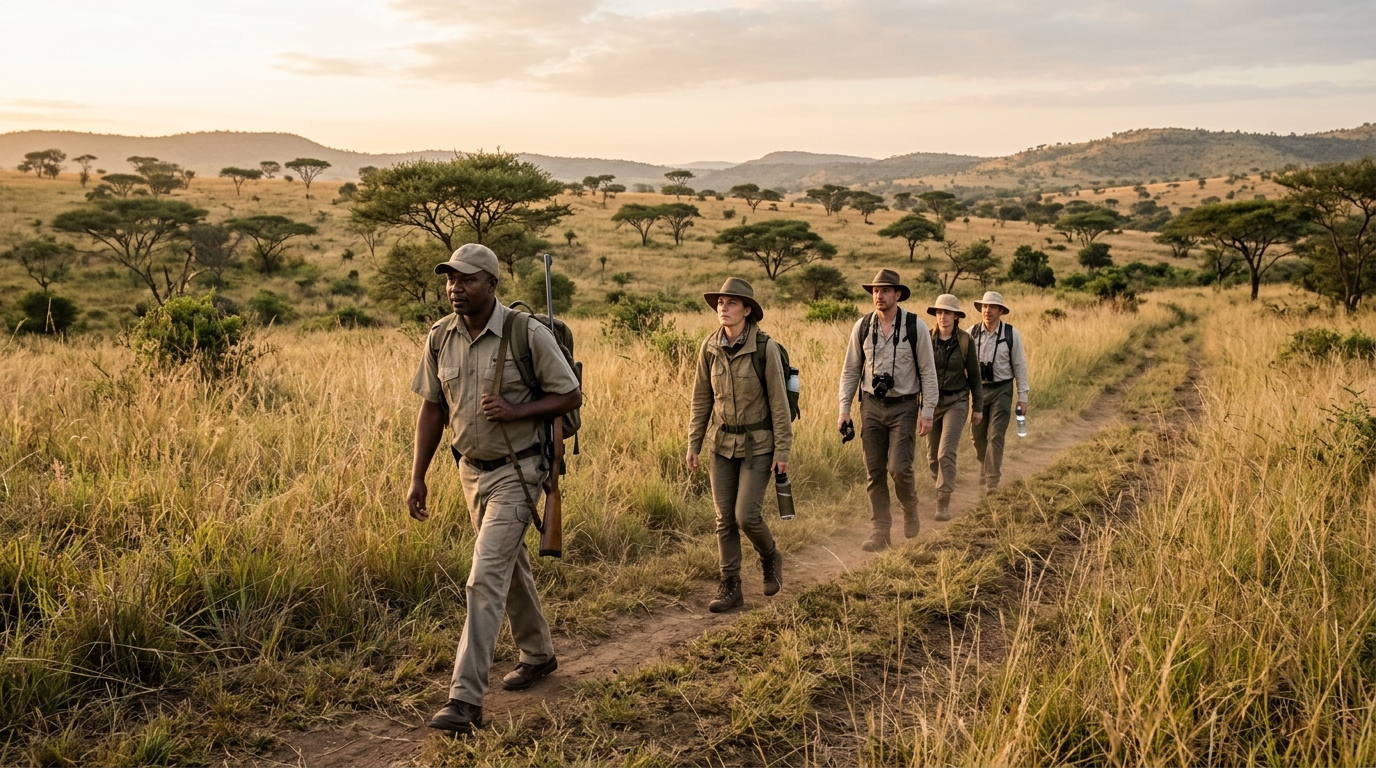
Founded by Dr. Ian Player and Magqubu Ntombela, this program immerses young leaders from surrounding rural Zulu communities in pure wilderness for 5 days. Sleeping under stars on night-watch duty, youth transform into frontline conservation advocates and future conservation directors.
Reconnecting historic migratory conduits between Hluhluwe-iMfolozi and the Lubombo Transfrontier Conservation Area (stretching into Mozambique and Eswatini). By entering into voluntary conservation stewardship with traditional authorities, elephant and predator gene pools remain connected.
Aggressive invasion by Triffid Weed (Chromolaena odorata) smothers riverine valleys, poisons grazing lawns, and creates catastrophic fire loads. Over 180 rural community workers are employed to mechanically uproot, bio-control, and restore indigenous scarp vegetation.
A specialized, high-security rehabilitation sanctuary providing round-the-clock intensive care, specialized milk formulas, and trauma recovery for baby white and black rhinos orphaned by poachers, culminating in their eventual release back into protected wilderness reserves.
If your registered charity, academic research institute, or anti-poaching team operates within the Greater Hluhluwe-iMfolozi Landscape, connect with our alliance to coordinate operations and access global conservation capital.
Propose an Initiative