Where Global Conservation Was Born
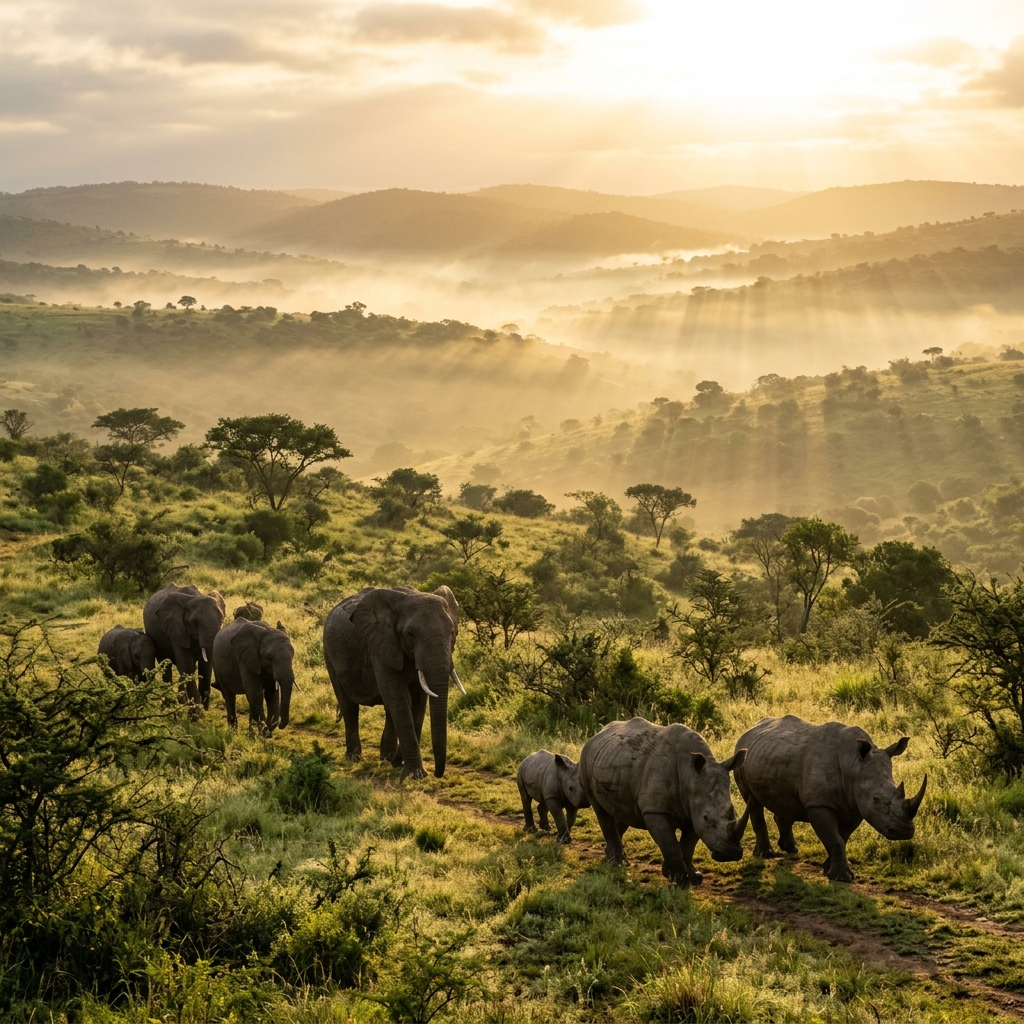
Before the modern global conservation movement existed, Hluhluwe and iMfolozi were proclaimed as dual game reserves by the government of the Kingdom of Natal in 1895. Tucked in the heart of Zululand, this sanctuary was established to safeguard the world’s last remaining pocket of southern white rhinos—reduced to fewer than 50 individuals due to colonial hunting.
Today, linked by the Corridor section into a contiguous 96,000-hectare wilderness, Hluhluwe-iMfolozi is globally celebrated as the Cradle of Rhino Conservation. Every southern white rhino alive on planet earth today is a descendant of the animals protected in this very reserve.
A High-Density Ecological Jewel
While giant parks like Kruger and Serengeti measure tens of thousands of square kilometers, Hluhluwe-iMfolozi's compact 960 km² topography boasts one of the highest densities of Big 5 megafauna, rhinos, and African wild dogs anywhere on the African continent.
Three Distinct Wilderness Zones
The park’s dramatic variations in elevation, rainfall, and river hydrology create three radically different safari landscapes in one unified reserve.
Hluhluwe Section
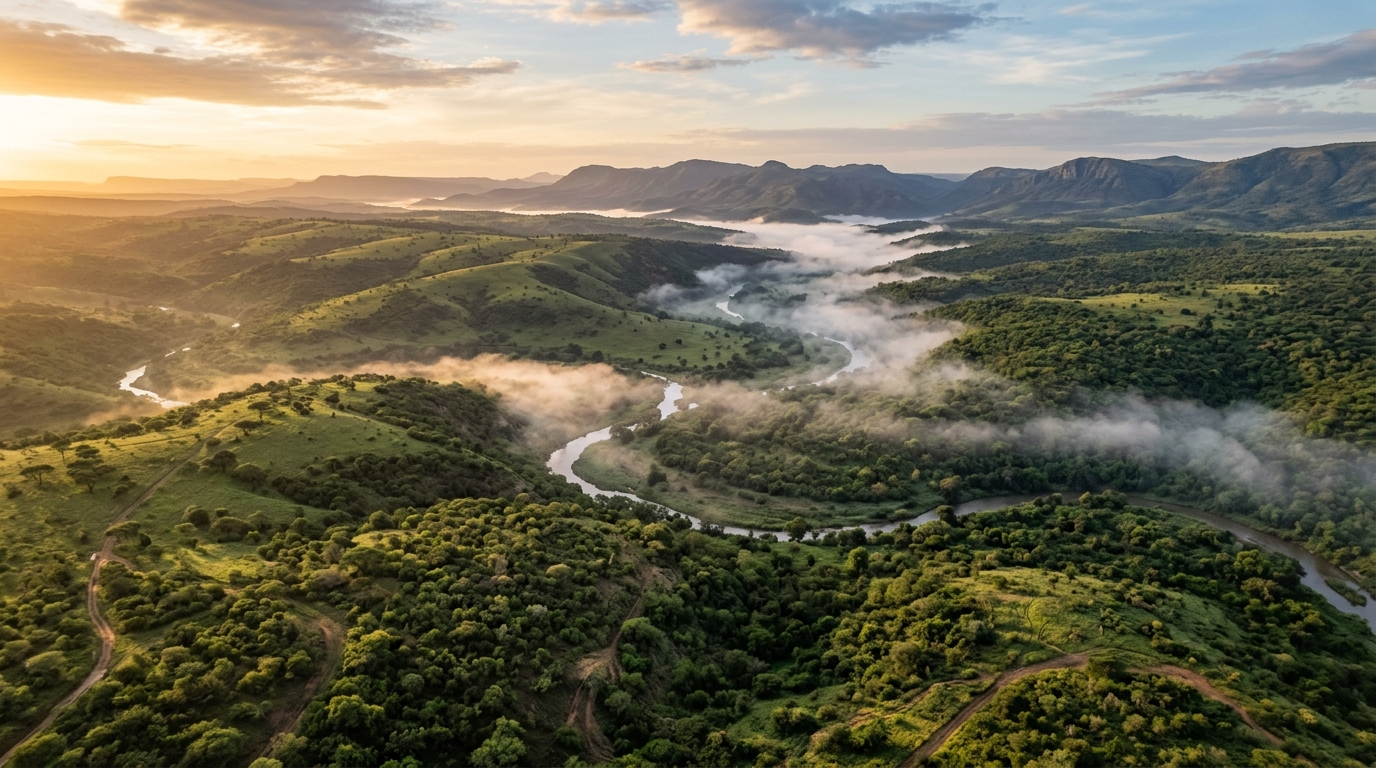
Rising to 540 meters above sea level, northern Hluhluwe receives high subtropical rainfall that blankets steep hills in verdant coastal and scarp forests. Renowned for its misty panoramic ridges, ancient weeping boer-bean trees, and dense riverine thickets along the Hluhluwe River, this is the prime kingdom of secretive leopards, breeding elephant herds, and nyalas.
iMfolozi Section
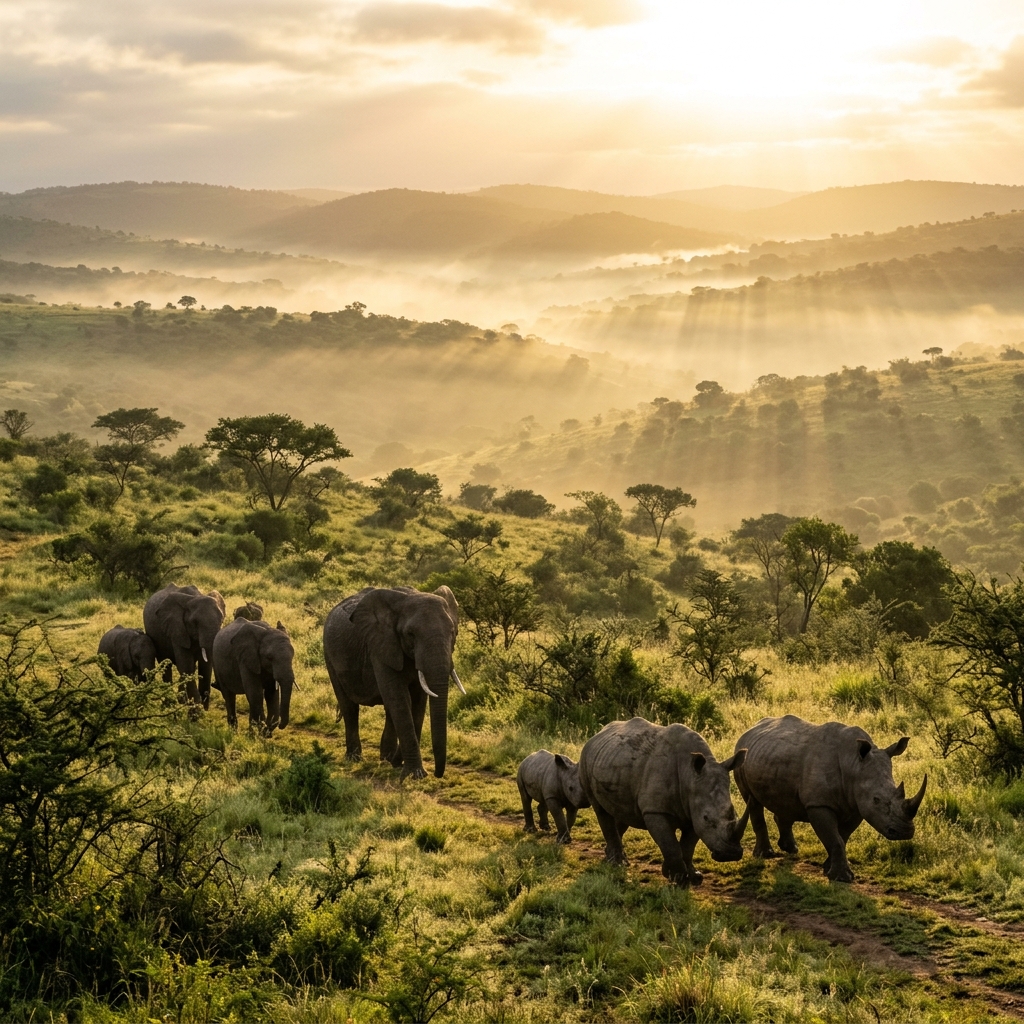
Southern iMfolozi is defined by expansive undulating acacia savannah, dry thorny bushveld, and the wide sandy ribbons of the Black and White iMfolozi Rivers. Here, wildlife gathers in extraordinary numbers. It is the epicentre of rhino recovery, lion prides, and home to active breeding packs of African wild dogs.
The Wilderness Sanctuary
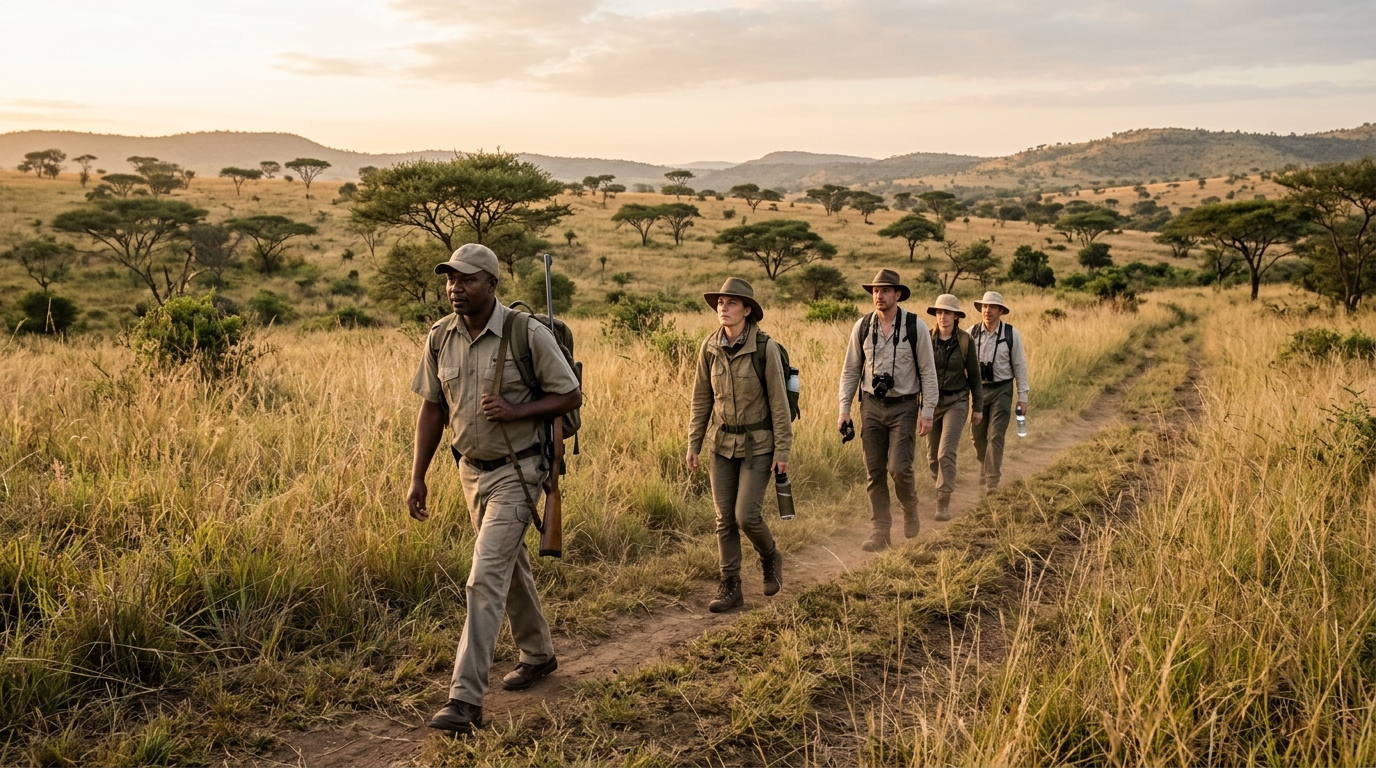
Set aside in 1958 by Dr Ian Player, this 24,000-hectare pristine zone has no roads, no electrical power, and no permanent infrastructure. Entered only on foot with pack donkeys and armed rangers, it is considered the most sacred walking wilderness on the planet, where hikers keep fire-watch under the African stars.
The Legend of Operation Rhino
In the late 1950s and 1960s, senior warden Dr Ian Player, master Zulu game scout Magqubu Ntombela, and the Natal Parks Board launched Operation Rhino—one of the most daring wildlife rescue campaigns in human history.
Before modern tranquilizers and GPS existed, rangers galloped alongside charging white rhinos on horseback, lassoing two-ton animals with thick hemp ropes. Once chemically restrained and loaded onto flatbed lorries, over 4,500 rhinos were captured in iMfolozi and translocated to repopulate Kruger, private reserves across southern Africa, and zoological breeding sanctuaries worldwide.
Today, Operation Rhino continues in its modern avatar: preventative veterinary dehorning, satellite foot transmitters, drone surveillance, and armed K9 tracking teams defending against commercial syndicates.
Iconic Wildlife of Zululand
Click on any animal to explore full field profiles, conservation status, peak sighting times, and prime park locations.
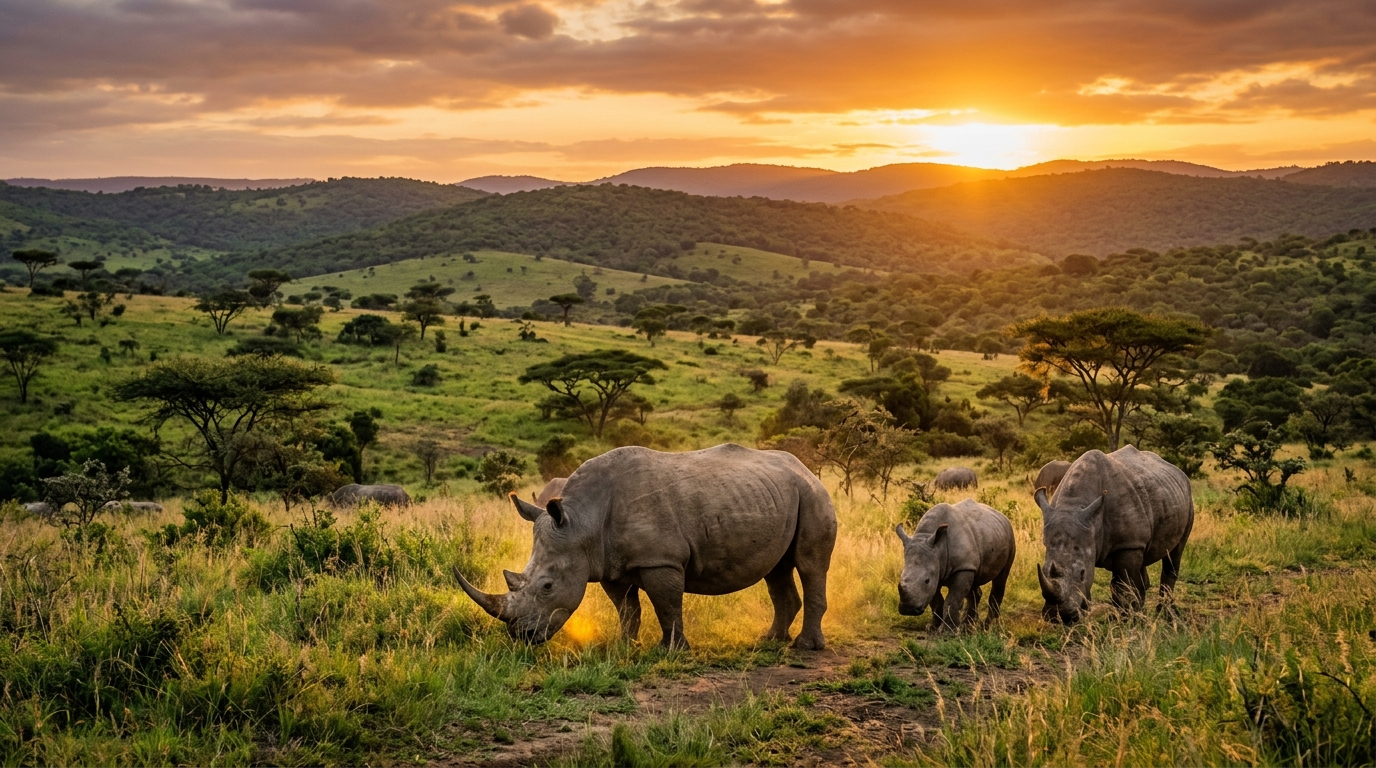 Near Threatened
Southern White Rhino
Saved from global extinction here. High concentrations grazing along the Black and White iMfolozi riverbanks.
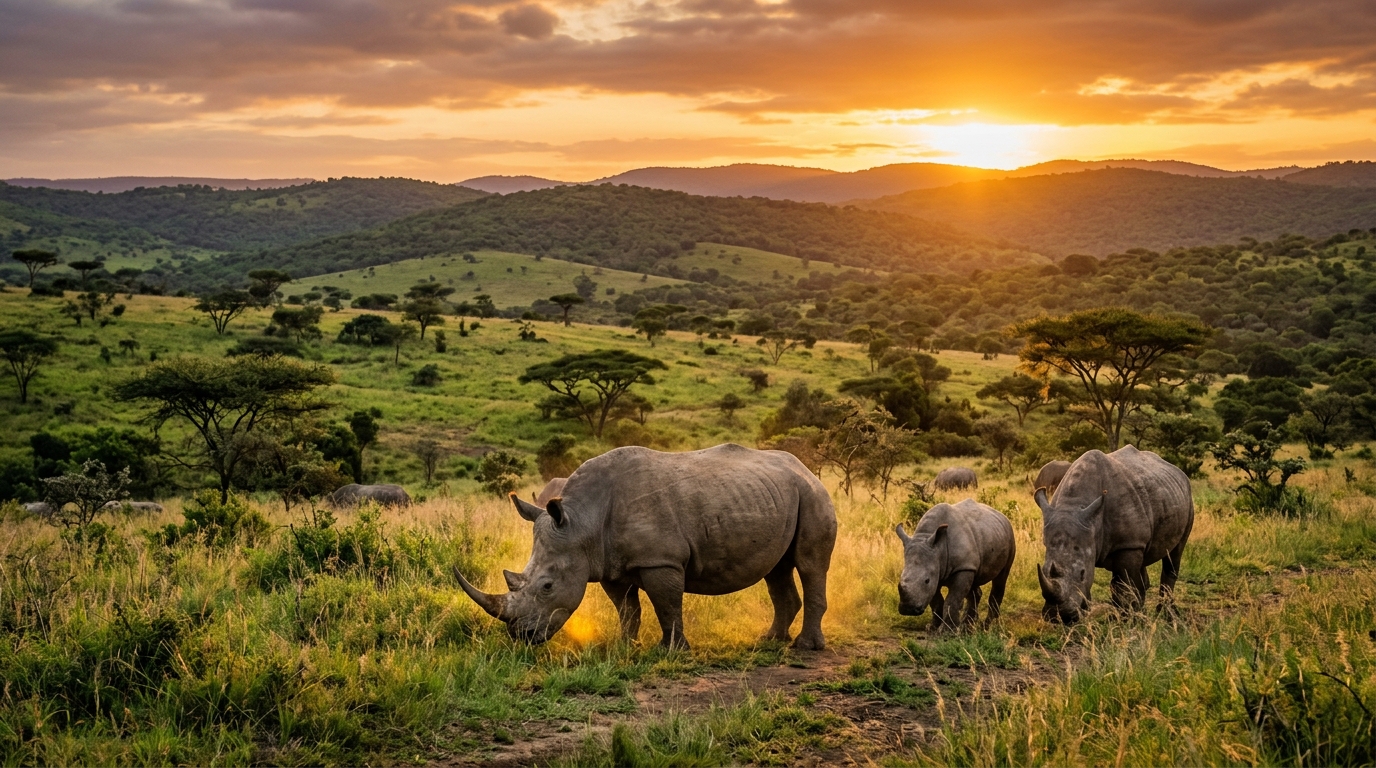 Critically Endangered
Black Rhino
A critically endangered browser with a hooked lip. Secretive inhabitant of dense scrub and acacia thickets.
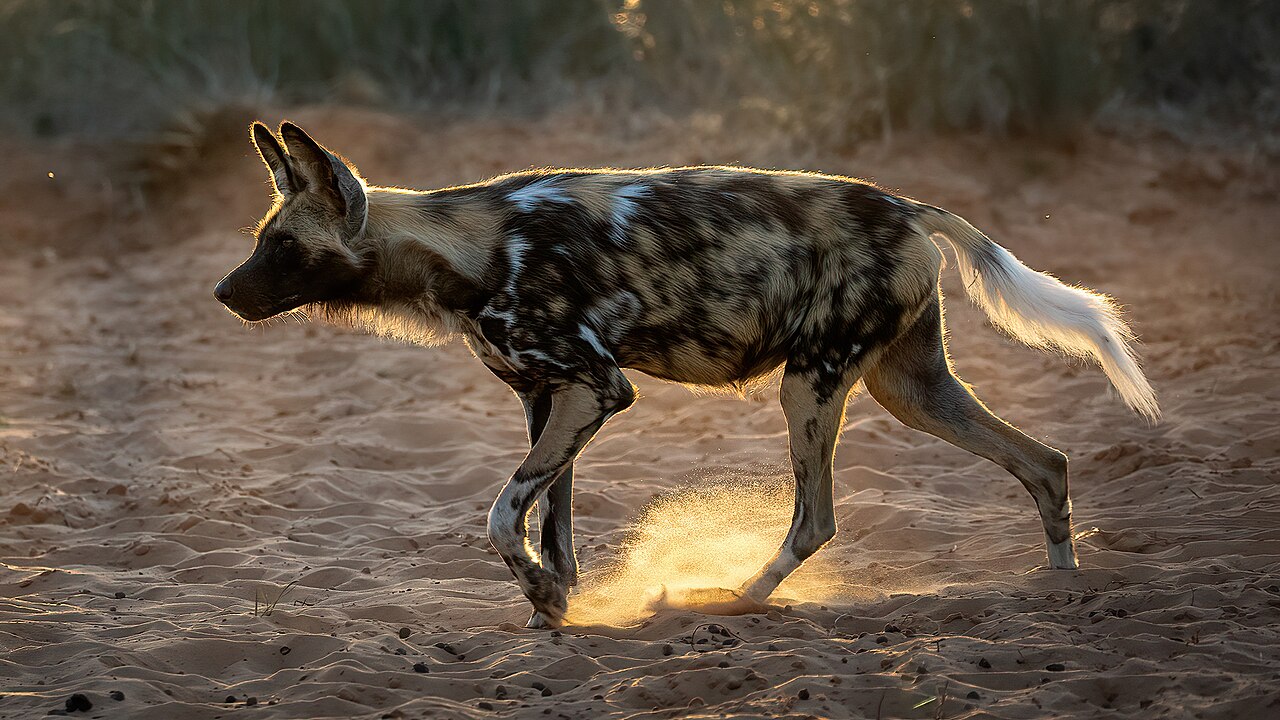 Endangered
African Wild Dog
Pack-hunting painted dogs monitored daily with satellite telemetry collars. Mesmerizing morning hunts.
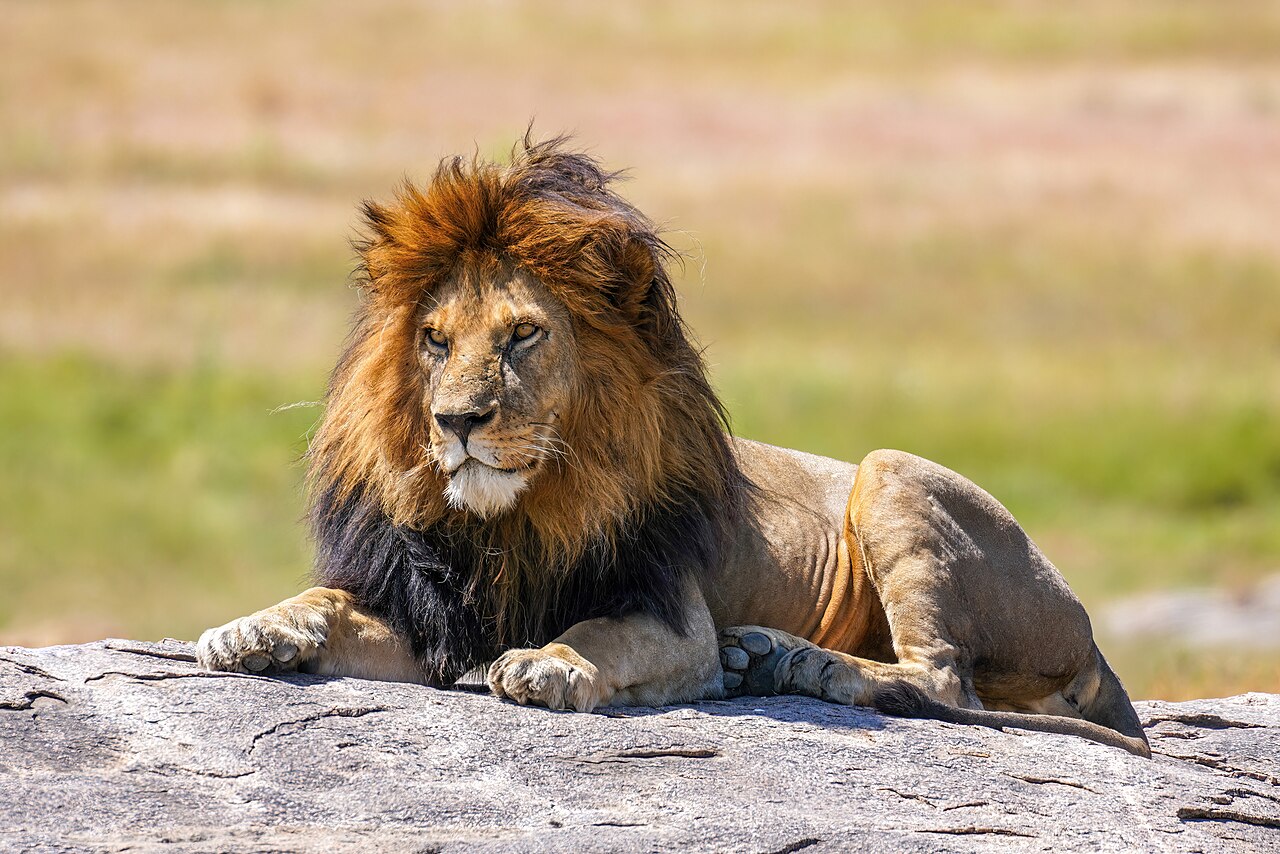 Vulnerable
African Lion
Apex predator prides patrolling the expansive sand riverbeds and open savannahs of southern iMfolozi.
 Vulnerable
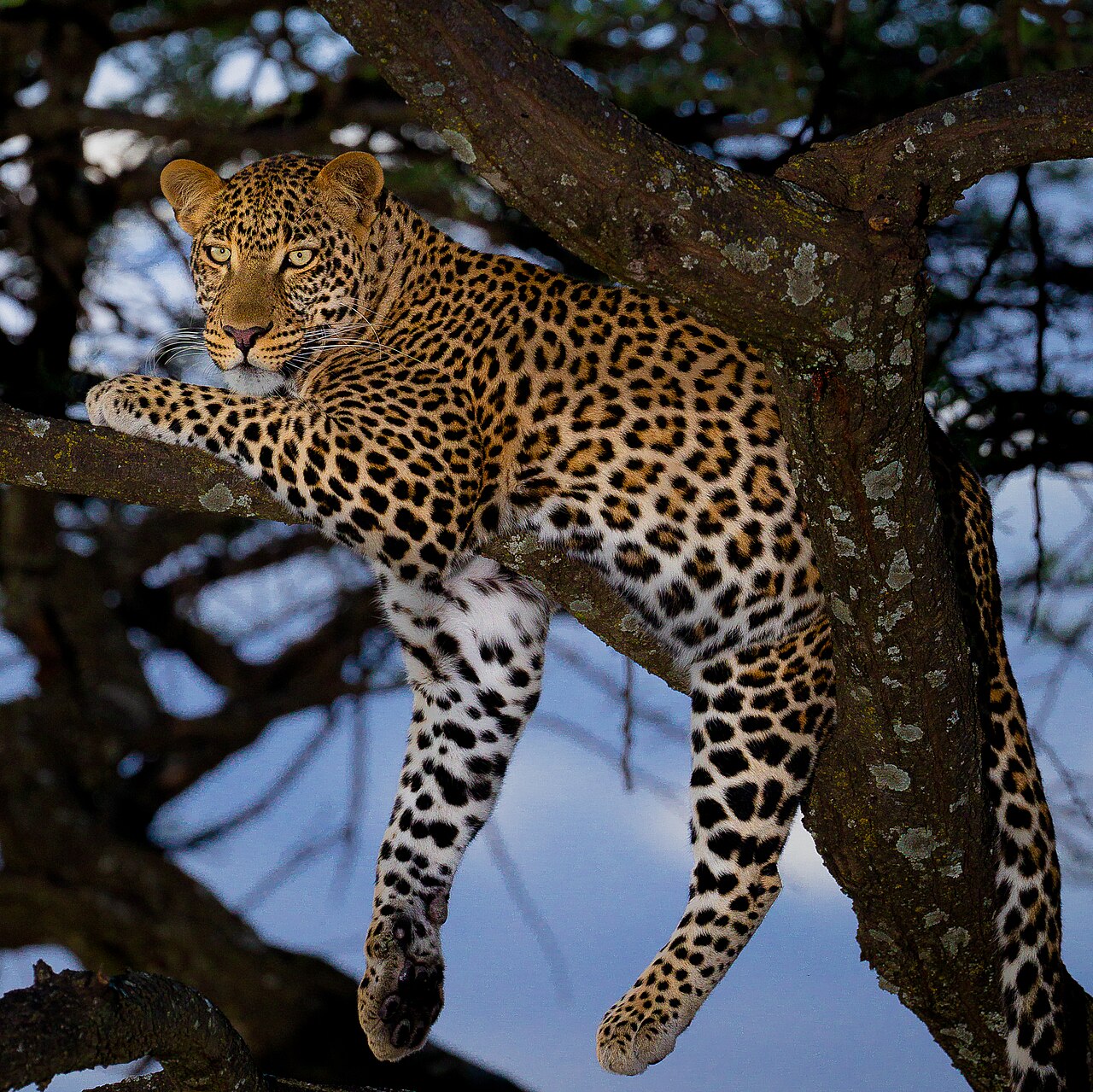
African Leopard
Solitary masters of stealth flourishing in the dramatic hills and forested kloofs of northern Hluhluwe.
 Endangered
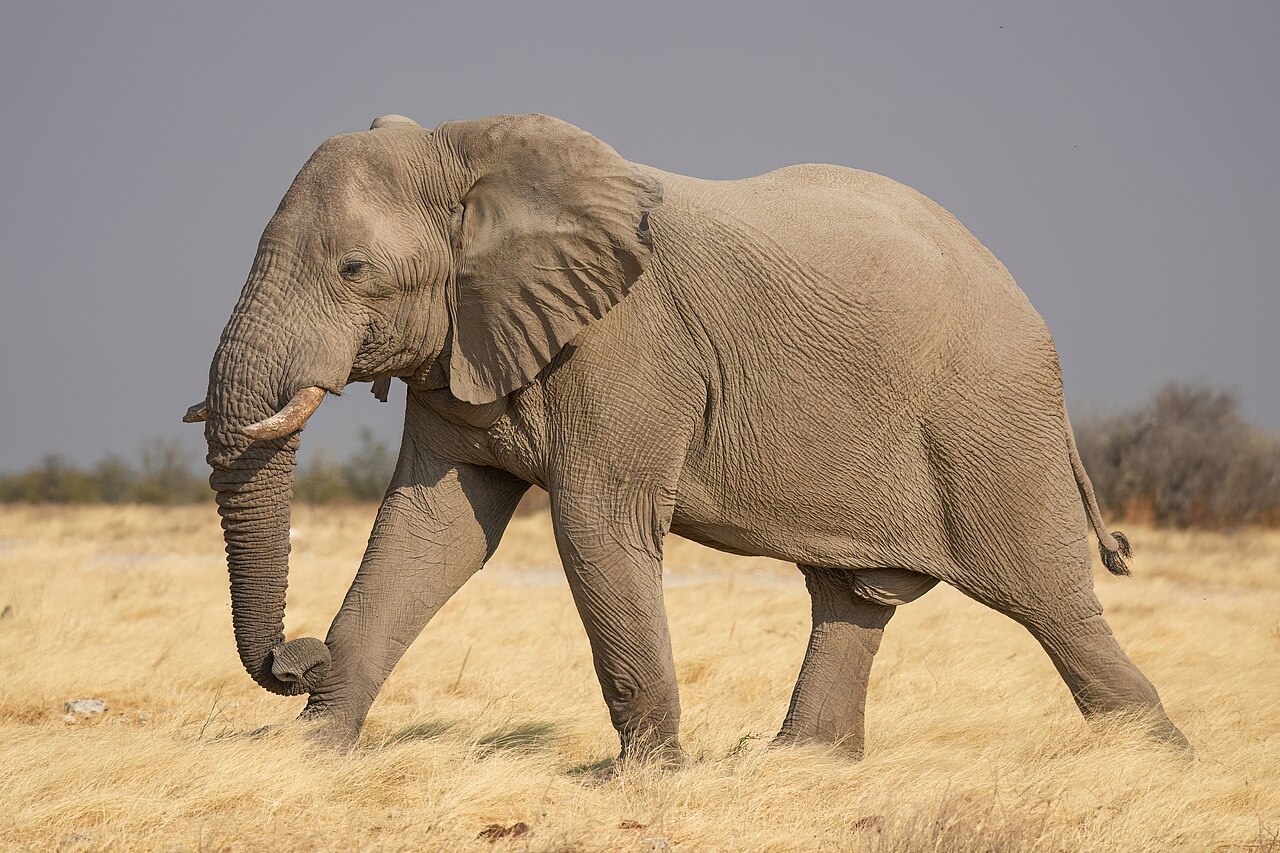
African Elephant
Vast breeding herds bathing in the Hluhluwe River and feeding among ancient fever tree forests.
Month-by-Month Safari Season Matrix
Hluhluwe-iMfolozi is a rewarding year-round destination with mild subtropical winters and emerald summer flushes. Click through the calendar below to see seasonal sightings, temperatures, and highlights.
Park Gates & Safari Access Routes
The park features three strategic entry gates connecting to main regional highways. Standard 2WD vehicles can navigate the tarred and graded gravel park roads, though high-clearance 4x4 vehicles offer superior game viewing.
Memorial Gate — Northern Entrance
Located 14 km west of Hluhluwe town via the tarred P453 road. This is the primary entrance for visitors staying at Hilltop Camp and nearby forest lodges like Ubizane. Offers immediate access to the scenic northern forest drives and viewpoints over the Hluhluwe Dam.
Nyalazi Gate — Central & Southern Conduit
Accessed from the N2 highway via Mtubatuba (R618). This is the main gate for visitors heading to Rhino Ridge Safari Lodge, Mpila Camp, and the central Wilderness Corridor. Positioned directly at the junction between the Hluhluwe and iMfolozi sections.
Cengeni Gate — Western & Ulundi Access
Located on the southwestern boundary, 24 km from the historic Zulu capital of Ulundi. Provides immediate access into the deep wilderness of southern iMfolozi and the White iMfolozi riverbed loop drives.
Experience Hluhluwe-iMfolozi
Whether booking a luxury stay perched high on Rhino Ridge, sleeping out under the stars on an iconic wilderness walking trail, or joining our conservation expeditions, your visit directly protects Africa's rhinos.